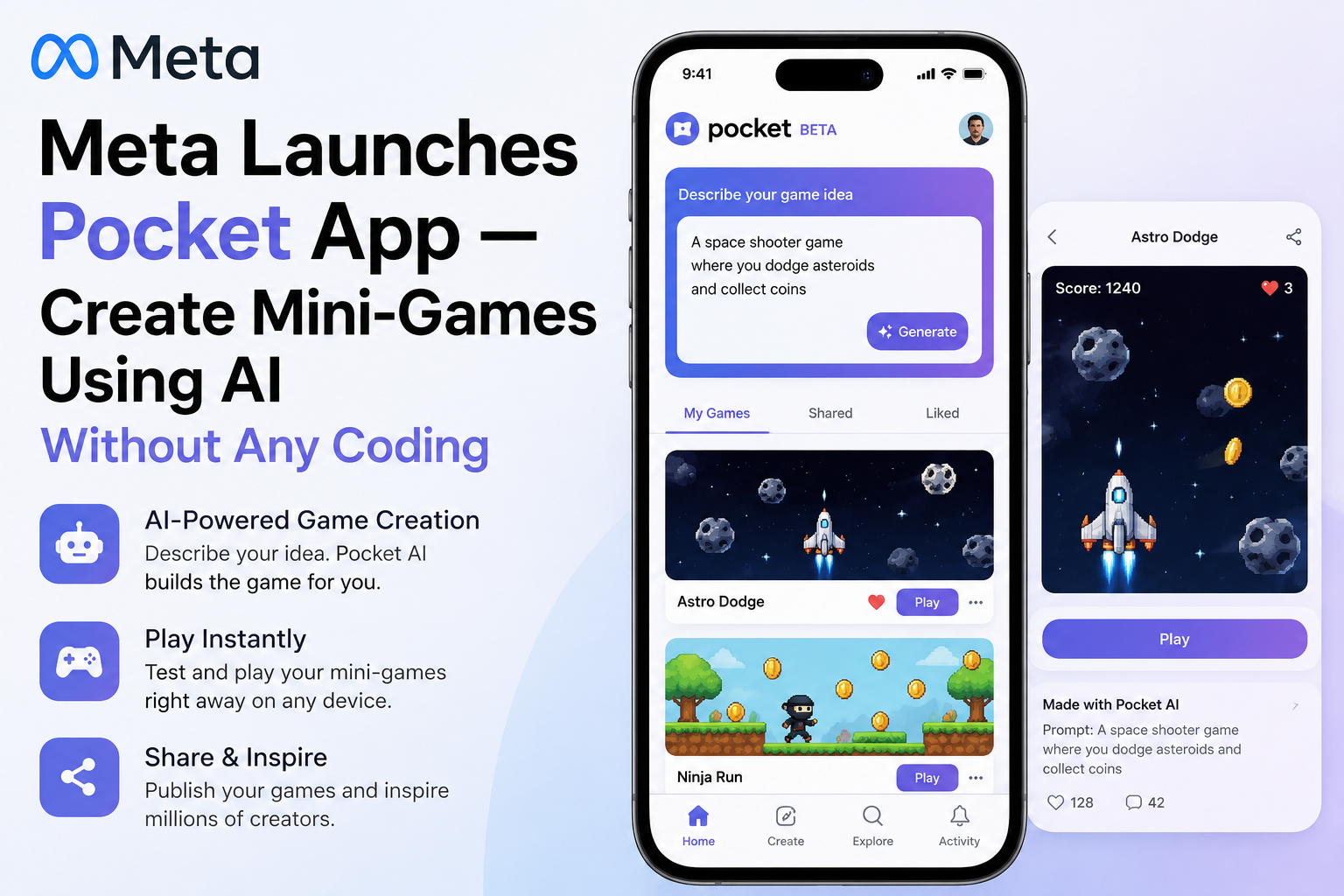
Figma Acquires Team Behind a Vibe-Coding App to Boost AI Design Tools
Figma has acquired the team behind a popular vibe-coding platform to integrate AI-powered design-to-code capabilities.
Aditya Raj
July 7, 2026
Figma has acquired the team behind a vibe-coding app that converts natural language into working code. The acquisition aims to integrate AI-powered design-to-code capabilities directly into Figma's collaborative platform, potentially automating the handoff between design and development. The features will roll out in beta later this year.
Existing Figma users can expect the AI features to be available as an optional plugin initially, with deeper native integration planned for future releases. The company has not announced pricing changes related to the acquisition."If they pull this off, they could dramatically reduce the friction between design handoff and engineering implementation."
— Jane Zhang, Creative Strategies
Advertisement
Key Takeaways
- 1Figma acquired a vibe-coding team to bridge design and development with AI.
- 2The acquired tool converts natural language descriptions into working code.
- 3AI-powered design-to-code features will launch in beta later this year.
- 4The move responds to growing competition from AI-first design tools.
- 5Analysts believe this could automate the design-to-development handoff process.
Frequently Asked Questions
What is a vibe-coding app?
A vibe-coding app uses AI to convert natural language descriptions into working code, allowing users to prototype ideas quickly without manual coding.
Will the new AI features be free for existing Figma users?
The AI features will initially be available as an optional plugin, with deeper integration planned later. Pricing has not been announced.
Why did Figma make this acquisition?
Figma aims to accelerate its AI roadmap and reduce friction between design handoff and engineering implementation, staying competitive against AI-first design tools.
Sources
Aditya Raj
Editor-in-Chief · TechRadar360
Senior technology journalist covering AI, cybersecurity, and the future of computing.
Loading comments...